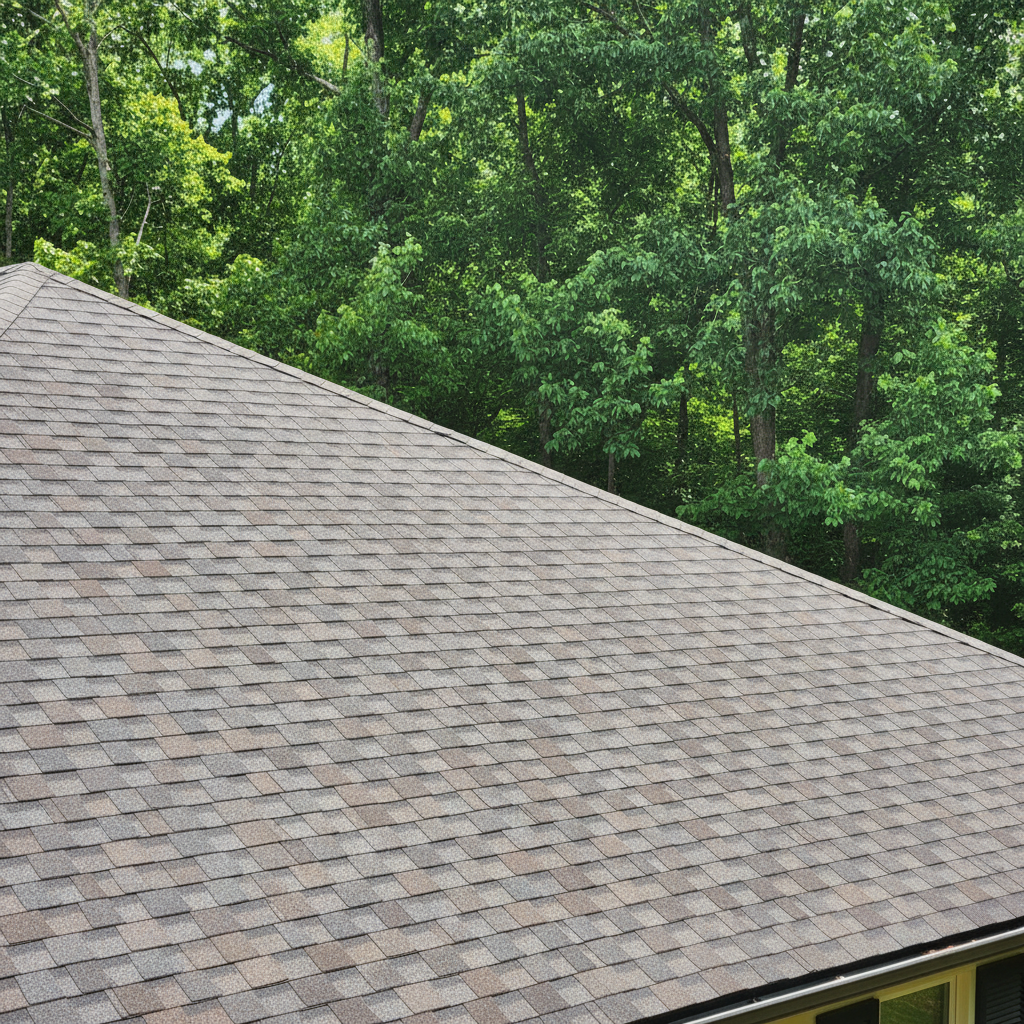
So, you're thinking about a new roof, huh? That's a big project, and it's smart to get your head around what it really means for your Wake Forest home. I've seen a lot of roofs go on and come off around here, from the older homes near downtown to the newer builds out in places like Heritage. There's a lot you can do to prepare, some things you absolutely shouldn't touch, and then how to make sure your investment lasts.
Before the Shingles Even Arrive: Your Prep Work
Alright, let's talk about what you can realistically handle yourself before any work starts. First off, research. Don't just pick the first guy who knocks on your door. Ask your neighbors who they've used. Check online reviews. Look for local companies with a good track record. You want someone who knows the specific challenges we face here, like the strong summer storms that roll through or how our clay soil can sometimes impact foundation, which in turn can affect roof stability over the long haul if not properly accounted for.
Get at least three detailed quotes. And I mean detailed. They should break down materials, labor, what kind of underlayment they're using, ventilation, and cleanup. Make sure they're talking about things like ice and water shield, especially around valleys and eaves – that's crucial for preventing leaks when we get those heavy, driving rains.
What can you do yourself? You can clear your yard. Move patio furniture, grills, anything valuable away from the house. Trim back any tree branches that are scraping against your current roof. This isn't just for the new roof; it's good practice anyway. You can also figure out where the crew will park and store materials. Communication with your contractor on these logistical points upfront saves everyone a headache.
Now, what you absolutely shouldn't DIY here? Don't try to assess the damage or measure your roof yourself unless you're a professional. Climbing up there is dangerous, and you might miss critical issues. Leave the technical stuff to the pros.
During the Installation: What to Expect
Okay, the crew's on site. What's your role now? Mostly, it's to stay out of the way but be available. A good contractor, like us at Wake Forest Roofing Solutions, will keep you in the loop. They'll tell you when they expect to start, what the daily plan is, and when they'll be done.
Expect noise. Lots of it. Hammering, tearing off old shingles, air compressors. If you work from home, plan to work elsewhere for a day or two if you need quiet. Also, expect debris. Even with the best cleanup efforts, there will be old shingles, nails, and other bits and pieces. Most reputable contractors use tarps to protect your landscaping, but things still fly. Keep pets and kids away from the work area for their safety.
What can you do during? You can check in with the project manager periodically. Ask questions if you have them. Don't hover, but be present enough to show you're engaged. You can also make sure there's access to power if they need it for tools, and maybe even offer them some water on a hot day – a little hospitality goes a long way. What you shouldn't do? Don't try to help them tear off shingles or climb up on the roof. That's their job, and you could get seriously hurt or interfere with their work.
After the Job's Done: Making Sure It Lasts
The new roof is on, the crew's packed up. Now what? First, do a thorough walk-around. Look for any stray nails, shingle pieces, or debris in your yard, flower beds, and driveway. Most good contractors will do a magnetic sweep, but sometimes things get missed. If you find anything significant, let them know.
Then, inspect the roof from the ground. Look at the lines of the shingles. Do they look straight and even? Are the flashing points around chimneys, vents, and skylights sealed properly? You don't need to be an expert, just look for anything that seems obviously off. If you have any concerns, bring them up with your contractor immediately. They should come back and address them.
You'll also want to get all your warranty information. There's usually a manufacturer's warranty on the materials and a contractor's warranty on the labor. Keep these documents in a safe place. Understand what they cover and for how long. It's your protection for years to come.
Ongoing maintenance? That's on you. Keep your gutters clean. We get a lot of leaves here in the fall, and clogged gutters can cause water to back up under your shingles, leading to rot and leaks. Inspect your roof visually a couple of times a year, especially after major storms. Look for missing or damaged shingles, debris, or anything that looks out of place. If you see something, call a professional to check it out. Don't wait until you have a leak inside your house; by then, the damage is usually more extensive and expensive.
A new roof is a big investment, but with the right preparation and a good contractor, it'll protect your home for decades. Just remember to do your homework, communicate clearly, and keep an eye on things once it's all done.