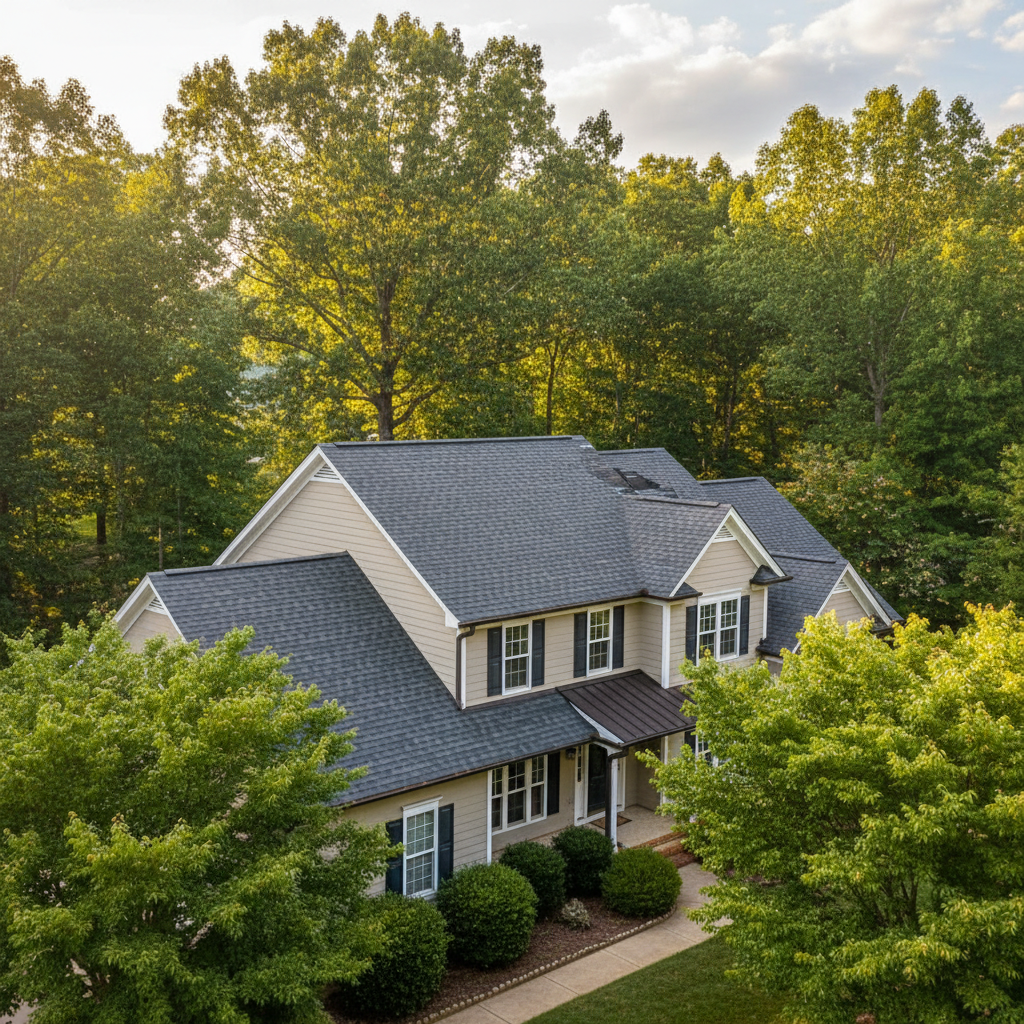
Got storm damage? It's a question I hear a lot around here, especially after a rough summer or a really windy winter. You're probably wondering when to get that repair done, how the weather plays into it, and what you can do to keep your roof in good shape all year. Let's talk about it.
When to Schedule Storm Damage Repair in Wake Forest
First things first: if you've got obvious damage – missing shingles, a leak, or maybe a tree branch sticking through – you need to get it looked at fast. Seriously, don't wait. Even a small leak can turn into a huge problem with mold and structural damage if you just let it sit. We're talking immediate assessment, even if it's just a temporary fix to stop the water from pouring in.
For less urgent, but still necessary, repairs like dented gutters or a few loose shingles that aren't actively leaking, you've got a bit more wiggle room on timing. Here in Wake Forest, our weather patterns really tell us when it's best to get up on a roof. Spring and fall are usually perfect. You get milder temperatures, less humidity, and generally more predictable weather. This makes it safer for my crew and, just as important, it lets materials like sealants and adhesives cure properly.
Summer can be tough. We get those pop-up thunderstorms almost daily, and the heat? Brutal for the guys and for some materials. Plus, shingles get incredibly hot and can be brittle or too soft to walk on without causing even more damage. Winter's got its own set of challenges – cold temperatures make shingles stiff and prone to cracking, and ice is a real safety hazard. So, if you can, aim for spring or fall for those non-emergency repairs. But again, if water's coming in, you deal with it now, no matter the season. What else can you do?
How Local Weather Affects Roofing Work
You know how our weather is around here. We get everything. Those strong afternoon thunderstorms in July and August? They're not just annoying; they can stop work instantly. We can't be up on a roof with lightning around, and trying to install shingles or sealants in pouring rain is just asking for trouble. Moisture trapped under new materials can lead to big problems down the road.
Then there's the wind. Even if it's not a hurricane, our regular strong gusts can make working on a roof downright dangerous. Plus, if we're tearing off old shingles, that debris can go flying, which isn't good for your yard or your neighbors. We always keep a close eye on the forecast, and sometimes, that means rescheduling. It's not because we don't want to get the job done; it's because we want to do it right and safely.
Temperature also plays a huge role. Adhesives and sealants need certain temperatures to bond correctly. If it's too cold, they won't cure. If it's too hot, they might cure too fast or become too runny. This is especially true for things like flashing around chimneys or vents. Getting these details right is what makes a repair last, and that means working within the right weather windows.
Year-Round Protection for Your Wake Forest Roof
Protecting your investment isn't just about fixing things after they break; it's about prevention. Here's what you can do:
- Regular Inspections: I recommend getting your roof looked at at least once a year, preferably in the spring or fall. We can spot small issues like loose shingles, cracked caulk, or clogged gutters before they become major problems. It's like going to the dentist – preventative care saves you pain and money.
- Keep Gutters Clean: This is huge. Clogged gutters cause water to back up, which can rot fascia boards, damage your foundation, and even get under your shingles. With all the oak and pine trees we have in neighborhoods like Heritage, those gutters fill up fast. Clean them out, or have someone do it for you, at least twice a year.
- Trim Trees: Overhanging branches are a direct threat. They can scrape shingles, drop leaves and debris, and worst of all, fall on your roof during a storm. Keep them trimmed back, especially anything that's dead or looks weak.
- Check Attic Ventilation: Proper ventilation keeps your attic from getting too hot in the summer and prevents moisture buildup in the winter. This extends the life of your shingles and can even lower your energy bills. Make sure your vents aren't blocked.
- Look for Shingle Granules: If you start seeing a lot of shingle granules in your gutters or on the ground, it's a sign your roof is aging. Those granules protect your shingles from UV rays. Losing them means your roof is more vulnerable.
Taking care of your roof isn't just about avoiding big repair bills; it's about protecting your entire home. A healthy roof means a healthy house. If you've got questions about your roof's condition or need an inspection, give us a call at Wake Forest Roofing Solutions. We're here to help you keep a solid lid over your head, no matter what the Wake Forest weather throws at us.